


Shimla, October 6
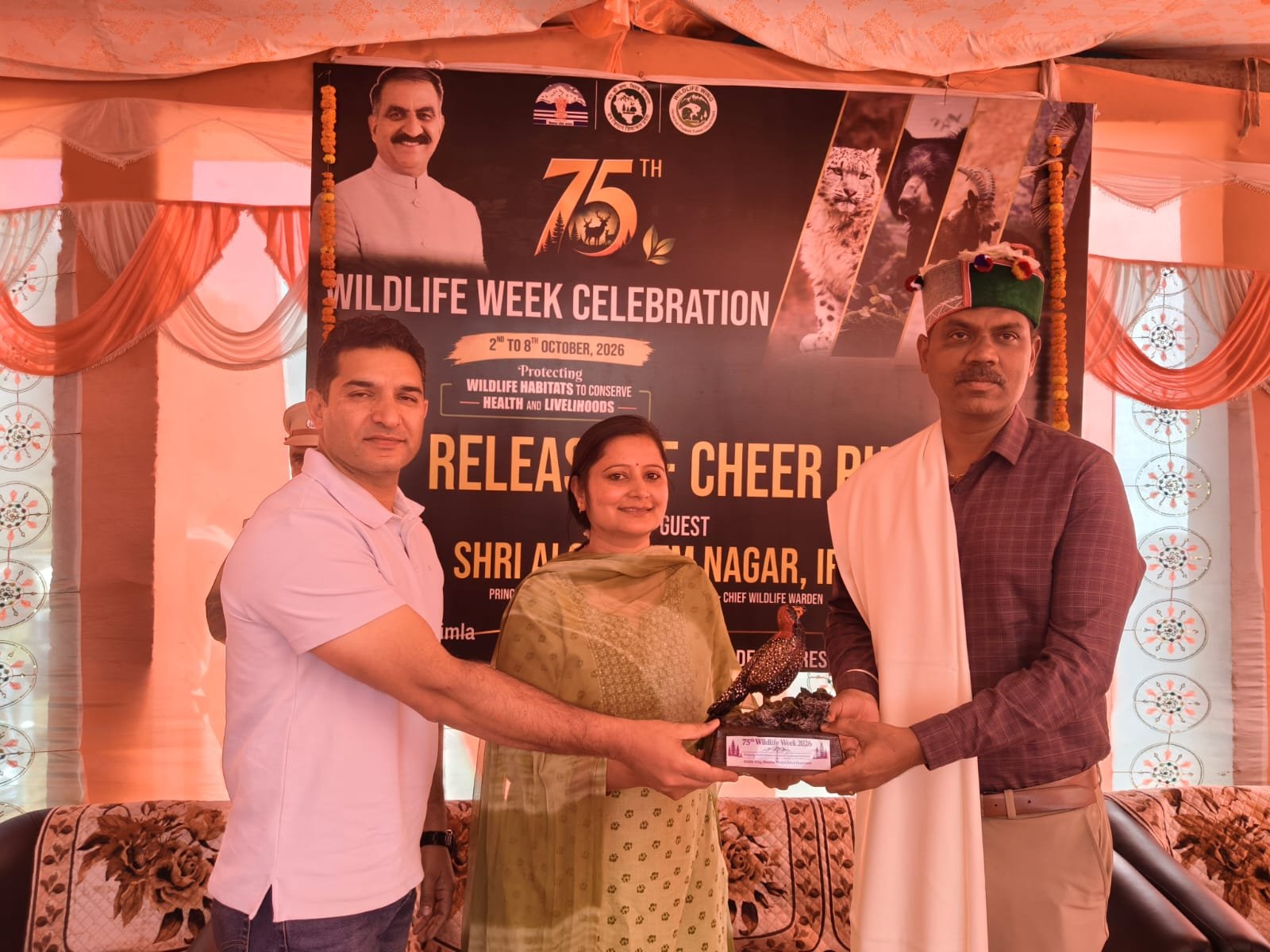
In a fresh push to revive the threatened Cheer Pheasant population in Himachal Pradesh, the Forest Department on Tuesday soft-released nine captive-bred Cheer Pheasants at Moi Jubbar in Koti, Shimla, under the state’s ongoing Cheer Pheasant Reintroduction Programme.
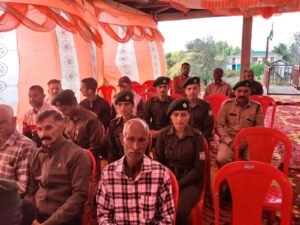
The release, carried out as part of Wildlife Week 2026, involved two families of the Himalayan pheasant bred at the Cheer Pheasant Conservation Breeding Programme facility at Chail.

APCCF (Wildlife) K. Thirumal released the birds in the presence of Conservator of Forests, Wildlife Circle (South), Shimla, Preeti Bhandari, DCF Wildlife Division Shimla, Koti Gram Panchayat Pradhan Pratibha, forest officials, staff and local residents.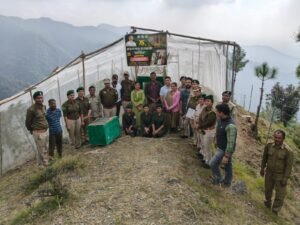
Moi Jubbar is now the third release site under the programme, following earlier releases at Seri and Shilli Mehli in Shimla.
The pheasants will initially be kept inside a soft-release enclosure for around a month. The controlled environment will allow them to gradually adjust to the local climate and habitat while developing critical survival skills.

During this period, the birds will be monitored closely as they learn to respond to predators, identify natural food and adapt to the surrounding forest ecosystem. Once considered sufficiently acclimatised, they will be released into the wild.
The Forest Department said the reintroduction programme has produced encouraging results. Birds released in 2023 recorded around 92% survival, while the 2024 releases recorded 100% survival.
More significantly, captive-bred birds have been observed interacting and breeding with wild Cheer Pheasants, with successful hatching of chicks recorded subsequently. Officials said the development is a strong indication that captive-bred birds are integrating into natural populations and contributing to the species’ recovery.
The Cheer Pheasant (Catreus wallichii) is classified as Vulnerable on the IUCN Red List. Its numbers have been affected by habitat degradation and fragmentation, along with increasing human pressures.
The Forest Department’s programme combines captive breeding with habitat management, soft release, post-release monitoring and community participation, with the broader objective of rebuilding viable Cheer Pheasant populations in their natural range.
Speaking on the occasion, APCCF (Wildlife) K. Thirumal stressed that conservation cannot succeed without restoring suitable habitats and involving local communities. He appreciated the contribution of the wildlife wing, conservation breeding team, field staff and residents in the reintroduction effort.
The department said the latest release at Moi Jubbar represents another step towards establishing sustainable Cheer Pheasant populations in Himachal Pradesh.
The initiative also carries the central message of Wildlife Week 2026 “Protecting Wildlife Habitats to Conserve Health & Livelihoods”, underlining that protecting natural habitats is essential not only for wildlife survival but also for the ecological health of the Himalayan landscape.