


Shimla, September 19, 2026: The Wildlife Institute of India–Sálim Ali Centre for Ornithology and Natural History (SACON), Coimbatore, will conduct a rapid assessment of human-wildlife conflict in Himachal Pradesh and recommend region-specific management action plans.
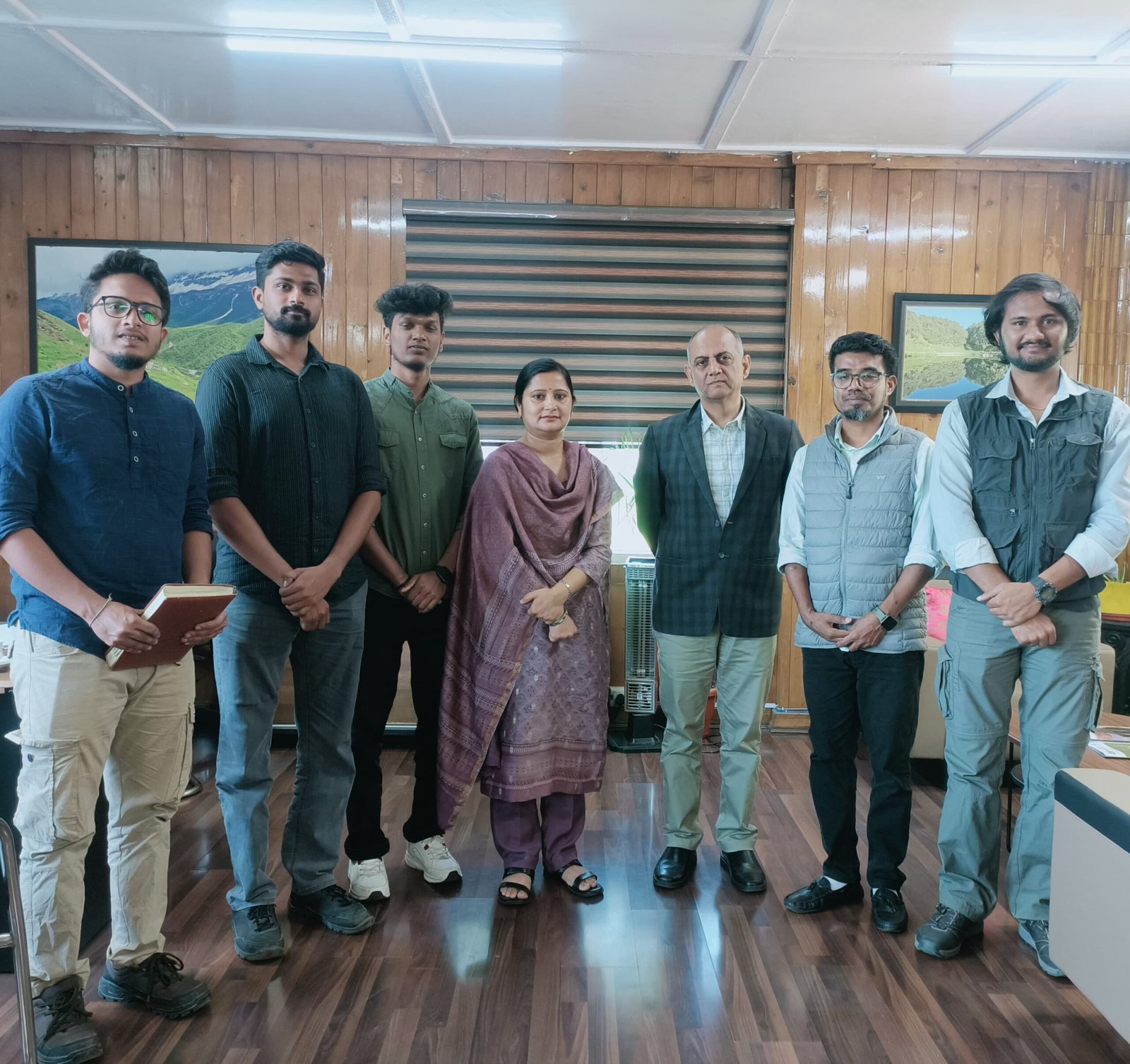
A team from the institute held a meeting with Principal Chief Conservator of Forests (Wildlife) Alok Prem Nagar, IFS, at the Forest Headquarters in Shimla on Saturday to discuss various aspects of the proposed study.
As part of the initial exercise, 10 forest divisions have been identified for focused assessment, particularly in areas reporting a higher incidence of human-bear and human-leopard conflicts.
The study will examine the present status and underlying causes of human-wildlife conflict and help the Wildlife Wing identify practical measures for reducing such incidents. The findings will be used to formulate management strategies suited to different geographical areas and local conditions.
Alok Prem Nagar said the rapid assessment would help establish the detailed causes behind bear and leopard-related conflicts in Himachal Pradesh. He said understanding these factors would enable the department to take targeted measures to reduce conflict and improve human-wildlife coexistence.
He added that the assessment could prove to be an important step towards addressing the issue scientifically, with the Wildlife Wing committed to taking concrete measures based on the findings.
Shimla South Conservator of Forests Preeti Bhandari, IFS, said the study would focus on developing species- and region-specific action plans to minimise human-wildlife conflict. The team will also interact with local communities in the selected areas to understand ground-level challenges and create greater awareness about wildlife conflict prevention and safety measures.
The initiative is expected to provide the department with field-based inputs for strengthening conflict mitigation measures across vulnerable areas of the state.