


August 17
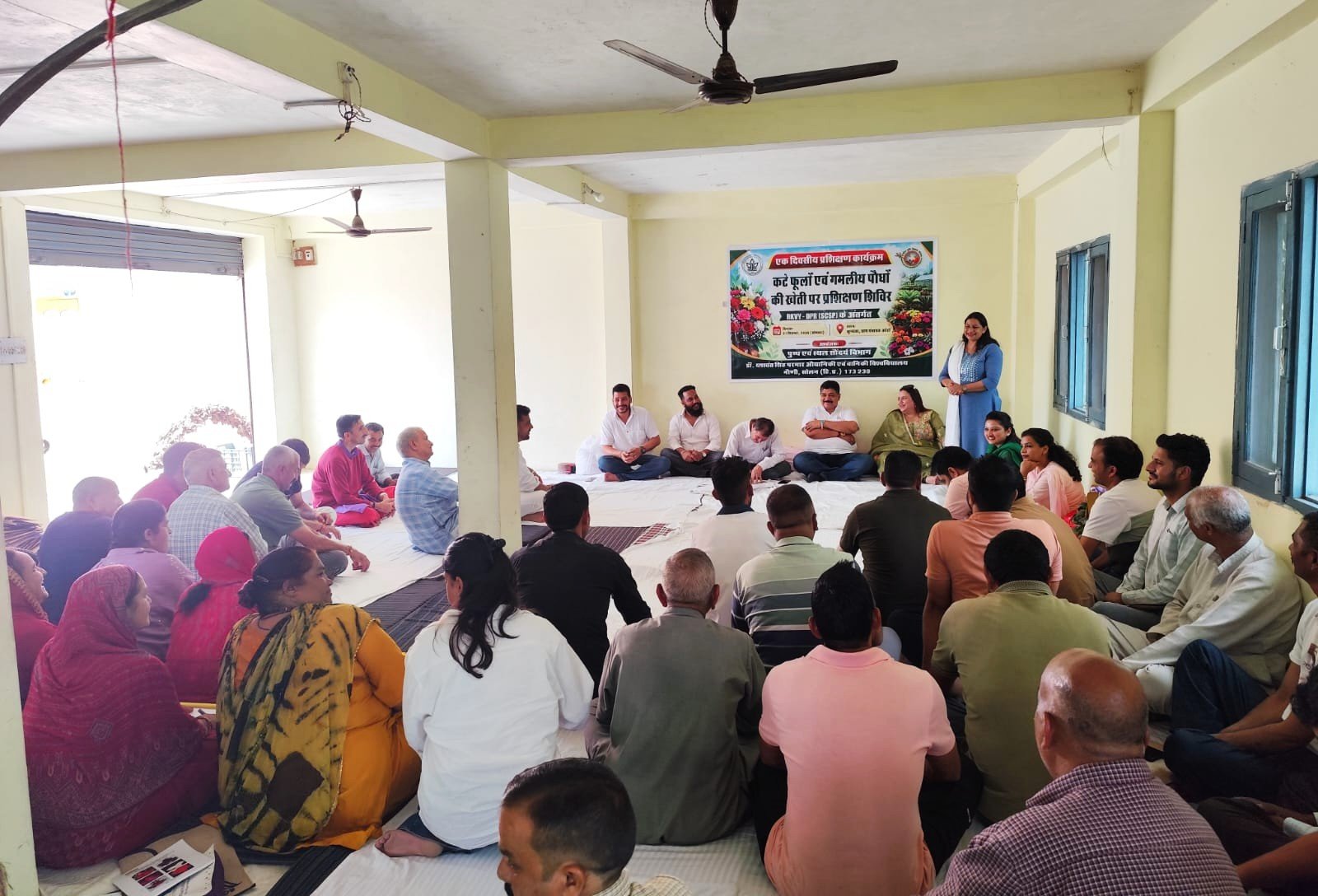
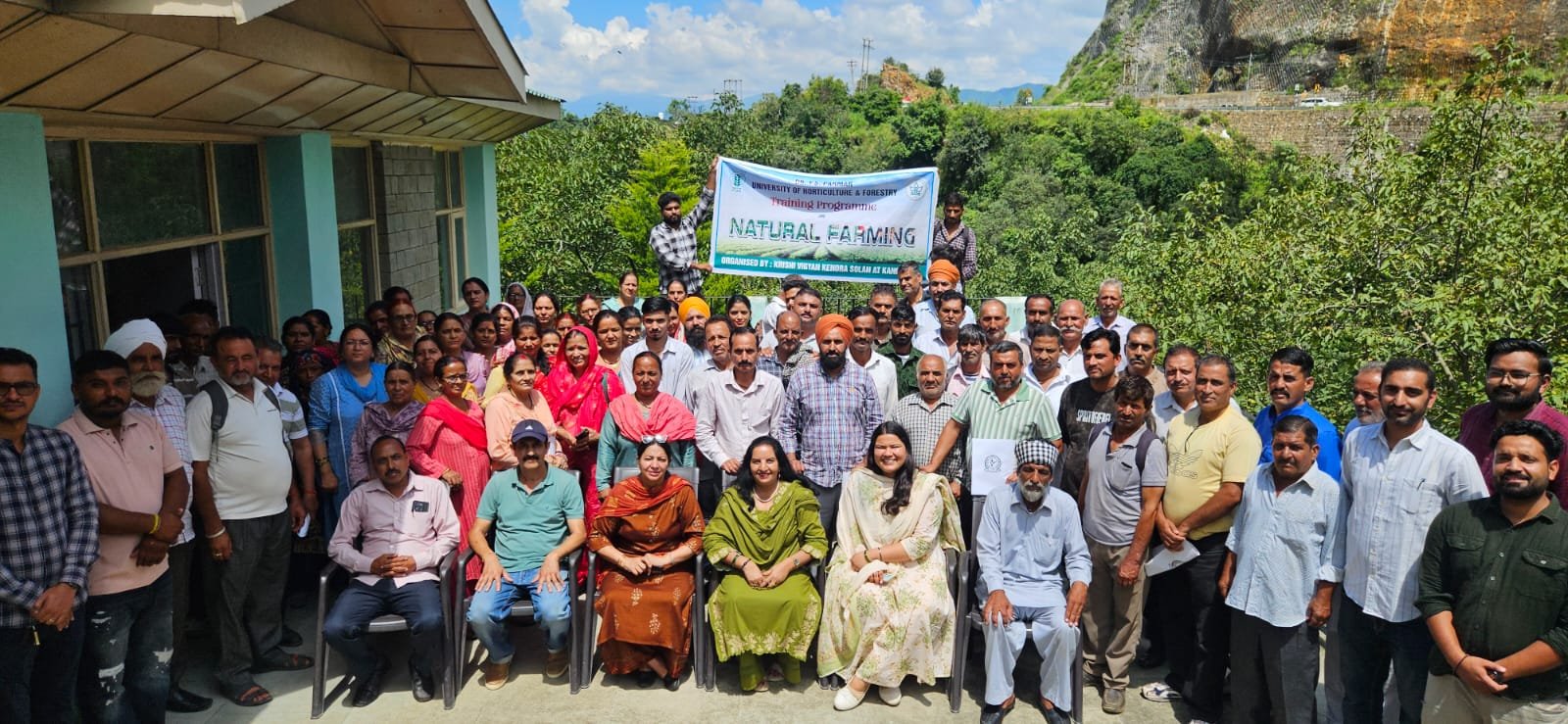
The Krishi Vigyan Kendra , Solan , a part of Dr. Yashwant Singh Parmar University of Horticulture and Forestry , Nauni, provided training on natural farming to a total of 750 farmers from the district’s five development blocks through five separate training programs. The objective of these training programs was to familiarize farmers with the scientific and practical techniques of natural farming and to encourage them to adopt sustainable and low-cost agricultural practices.
During the training, farmers were given detailed information about various techniques of natural farming , indigenous cow-based agricultural practices , Jeevamrit , Ghanjeevamrit , Beejamrit , natural pest management and soil health conservation. Farmers were encouraged to adopt natural farming to reduce agricultural costs , maintain soil fertility and produce quality and safe agricultural products. Scientists of the center also provided practical training and technical guidance to farmers to effectively adopt natural farming techniques at the field level.
Dr. Seema Thakur, in-charge of the Krishi Vigyan Kendra , Solan, urged farmers to adopt natural farming not just as a farming method but as a public campaign. She urged farmers to disseminate scientific and practical information related to natural farming to as many farmers as possible , so that every farmer in the district can understand its benefits and inspire more farmers to adopt natural farming.
During these trainings, Dr. Rajesh Thakur provided information to farmers about various techniques of natural flower farming. Dr. Kiran Thakur explained in detail the production and management of fruit crops using natural methods. Dr. Deepika Sharma also informed farmers about the identification of various pests affecting vegetables , fruits, and flowers and their effective management and control through natural methods.
This training program was organized by the Krishi Vigyan Kendra , Solan, in collaboration with the ATMA Department , Solan. This joint effort by both departments also demonstrated that through mutual coordination and cooperation among various departments, more effective , useful, and comprehensive training programs can be organized for the benefit of farmers.
The collective efforts of the departments will help in effectively disseminating scientific agricultural techniques and latest information to the farmers as well as promoting natural farming on a large scale.