


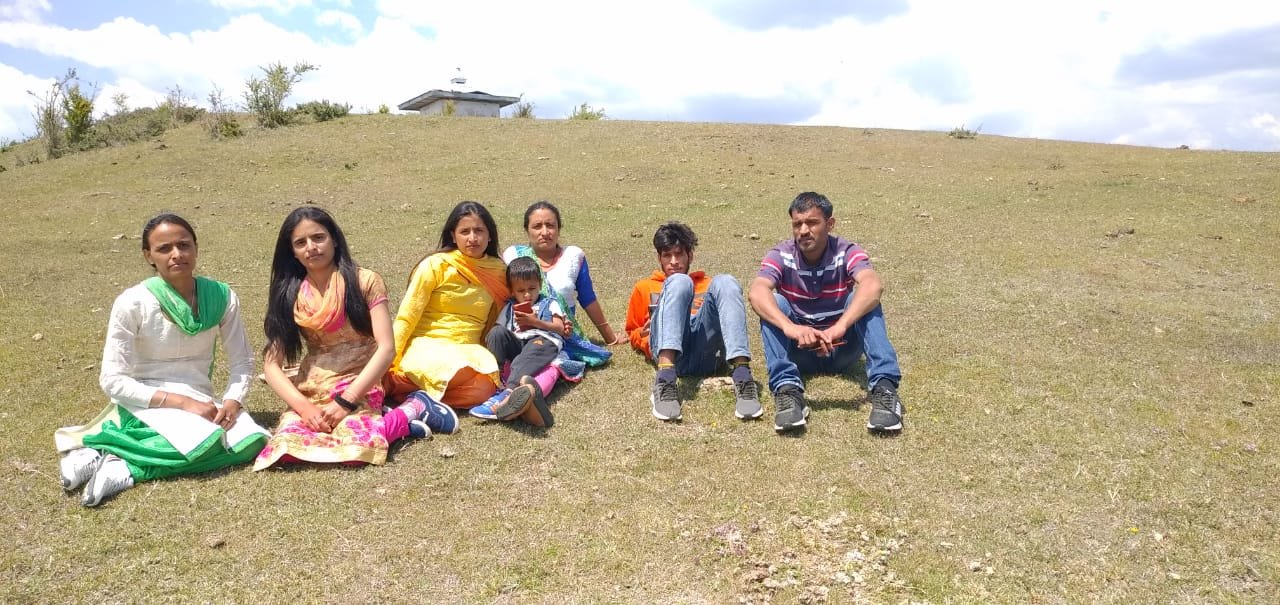
Shimla, September 20: A traditional Jatar festival organised by buffalo herders at the picturesque Kawalia Peak in the Junga tehsil of Shimla district concluded on Sunday with prayers at the Kawalia Devta temple.
Hundreds of residents from the Gram Panchayats of Piran and Satlai visited the shrine, sought the blessings of the deity and partook in the community feast. A special kheer prepared from buffalo milk is traditionally offered as prasad during the annual worship.
Situated at an altitude of around 8,000 feet above sea level, the Kawalia temple has long been an important centre of faith for buffalo herders in the region. The annual Jatar is held during the month of Bhadrapada at an auspicious time.
According to temple priest Jabar Singh Thakur, buffalo herders from Piran and Satlai traditionally spend nearly six months at Kawalia with their livestock. They return home after Dussehra as temperatures begin to fall.
The practice has continued for generations, with herders bringing their buffaloes to the high-altitude pasture, where the animals graze freely in the surrounding forest area. The herders put up temporary shelters using grass and other locally available material.
A unique local tradition is that doors are not fitted to these temporary shelters. Residents believe that the blessings of Kawalia Devta protect the area from theft and other untoward incidents.
Former Piran panchayat pradhan Dayaram Verma said Kawalia Peak, with its pristine natural surroundings, has considerable potential as a tourism destination. He suggested that developing basic infrastructure could help put the area on the state’s tourism map.
Verma said tourists visiting Chail and Kufri could reach Kawalia Peak after a trek of around three kilometres from Pajouli Valley. From the peak, visitors can enjoy panoramic views of snow-clad Himalayan ranges, surrounding valleys and distant plains.
With basic amenities and better access, locals believe Kawalia could emerge as a destination combining religious tourism, nature tourism and rural pastoral traditions, while preserving its unique cultural heritage.