



The important role of scientific evidence in criminal investigation and information about modern techniques and legal provisions.
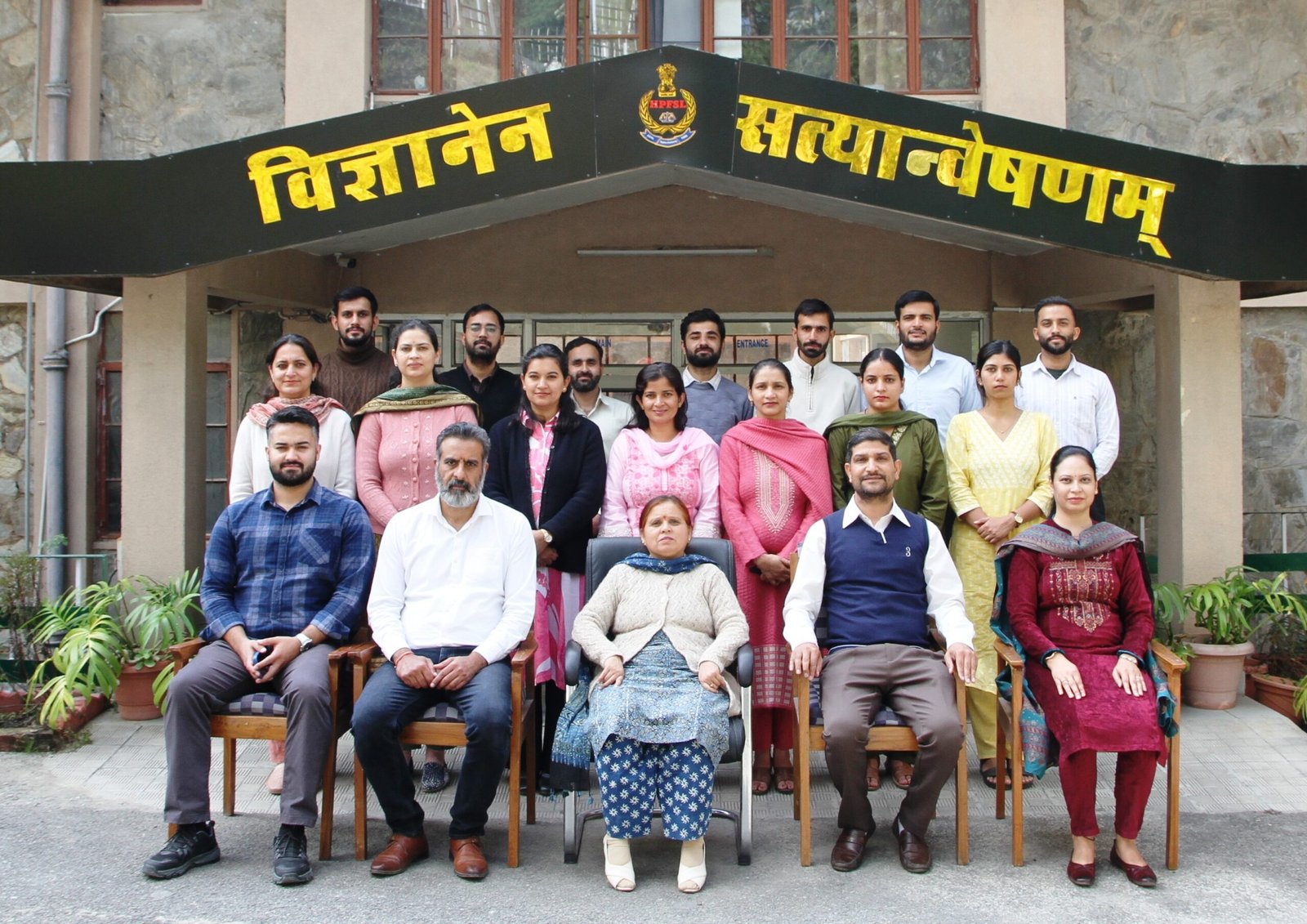
Shimla, October 16. The Directorate of Forensic Services, Himachal Pradesh, Junga, concluded a month-long induction training program for 17 newly appointed officers and employees from various specialties. The objective of this month-long training program was to enhance the technical skills of the newly appointed employees and familiarize them with modern techniques, legal provisions, and practical procedures of forensic science.
At the conclusion of the training program, Director of Forensic Services, Dr. Meenakshi Mahajan, stated that the role of scientific evidence in the criminal justice system is constantly increasing. Citing Section 176(3) of the Indian Penal Code, 2023, she explained that the presence of forensic experts at the scene and the process of gathering scientific evidence is crucial for specified categories of crimes. She added that the proper collection, preservation, and analysis of evidence plays a vital role in ensuring a fair investigation and an effective judicial process.
During the training, Director of Prosecution, Rajiv Katoch, explained the new criminal laws, the admissibility of forensic reports in courts, and the legal procedures related to expert testimony. Dr. Sukhwinder Kaur of the Central Forensic Science Laboratory, Chandigarh, lectured on blasting and explosives, while Dr. Rajiv Jain lectured on extraction techniques. Retired Controller Ajay Upadhyay explained the service rules, and Dr. Seema Kashyap of Himachal Pradesh University explained the provisions of the POSH Act, 2013, related to the prevention of sexual harassment of women at the workplace.
During the training, Director of Prosecution, Rajiv Katoch, explained the new criminal laws, the admissibility of forensic reports in courts, and the legal procedures related to expert testimony. Dr. Sukhwinder Kaur of the Central Forensic Science Laboratory, Chandigarh, lectured on blasting and explosives, while Dr. Rajiv Jain lectured on extraction techniques. Retired Controller Ajay Upadhyay explained the service rules, and Dr. Seema Kashyap of Himachal Pradesh University explained the provisions of the POSH Act, 2013, related to the prevention of sexual harassment of women at the workplace.
Experts from the State Forensic Science Laboratory, Junga, and regional laboratories in Dharamshala and Mandi also provided training to the trainees on various topics, including DNA profiling, crime scene inspection, cybersecurity, digital evidence, forensic ballistics, arson investigation, fingerprinting, examination of disputed documents, artificial intelligence, and laboratory quality assurance.
As part of the training program, participants also visited the Central Forensic Science Laboratory, Chandigarh, the Indira Gandhi Medical College, and the Police Headquarters, Shimla. AD forensic Dr. S K Pal said these trainings will provide an opportunity for them to closely understand the workings of police, medical, and forensic institutions. They also gained insight into the importance of cross-departmental coordination and a scientific approach to criminal investigations, he added.