


PRENEETA SHARMA
High above the busy streets of Shimla, where the mountain air grows quieter and the deodar trees seem to guard the secrets of another age, stands a magnificent stone building that has watched history unfold from its hilltop perch. The Vice Regal Lodge, rising majestically on Observatory Hill, is more than an architectural landmark. It is a place where imperial power once converged, where political negotiations shaped the course of a nation, and where, decades later, scholars continue to pursue ideas within the same historic walls.
Today, the building is home to the Indian Institute of Advanced Study. But before it became a sanctuary for scholarship, it was the summer residence of the Viceroy of India and one of the most important centres of British administration. Its journey from the seat of colonial authority to a national institution of learning mirrors the extraordinary transformation of India itself.
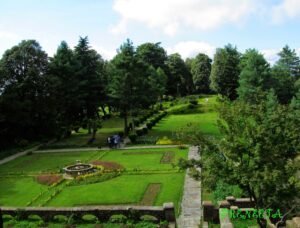
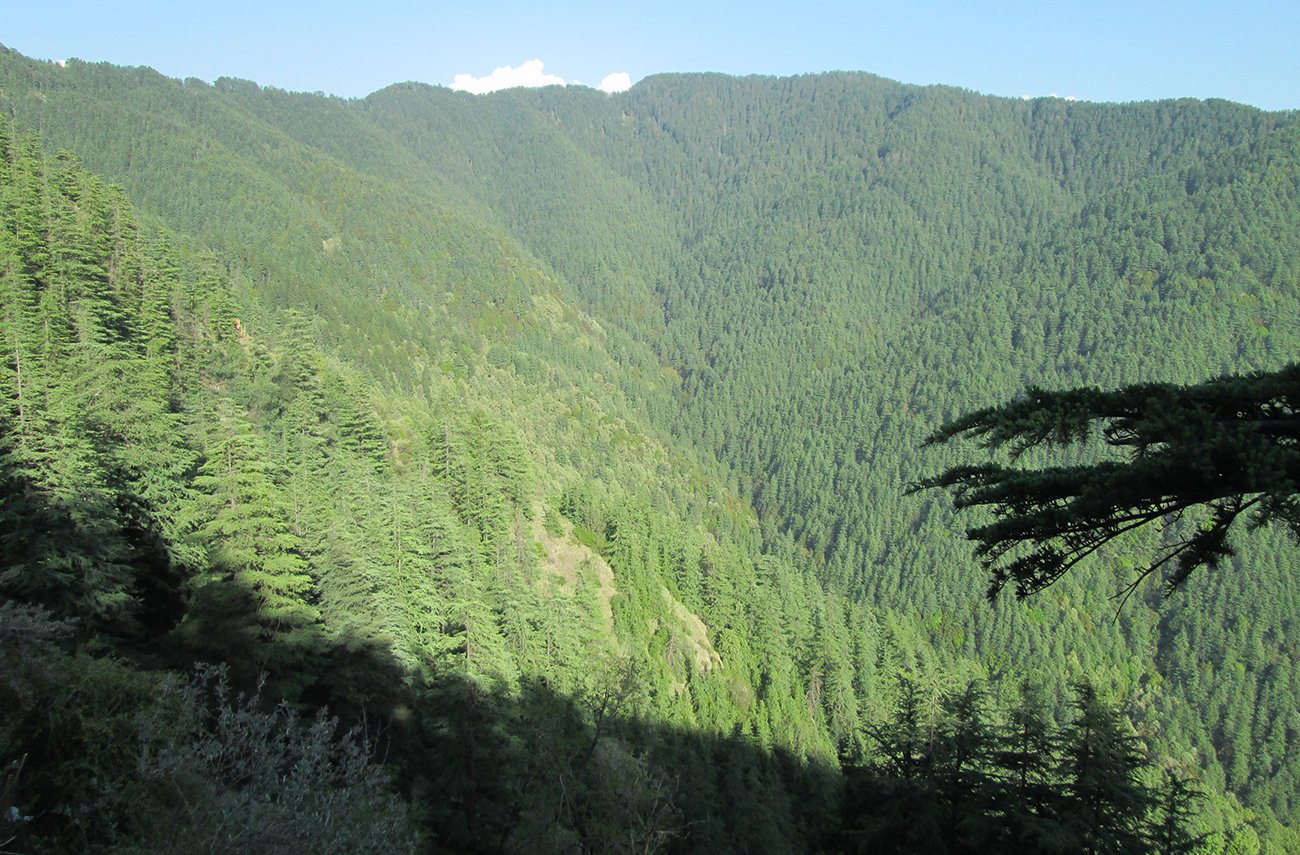
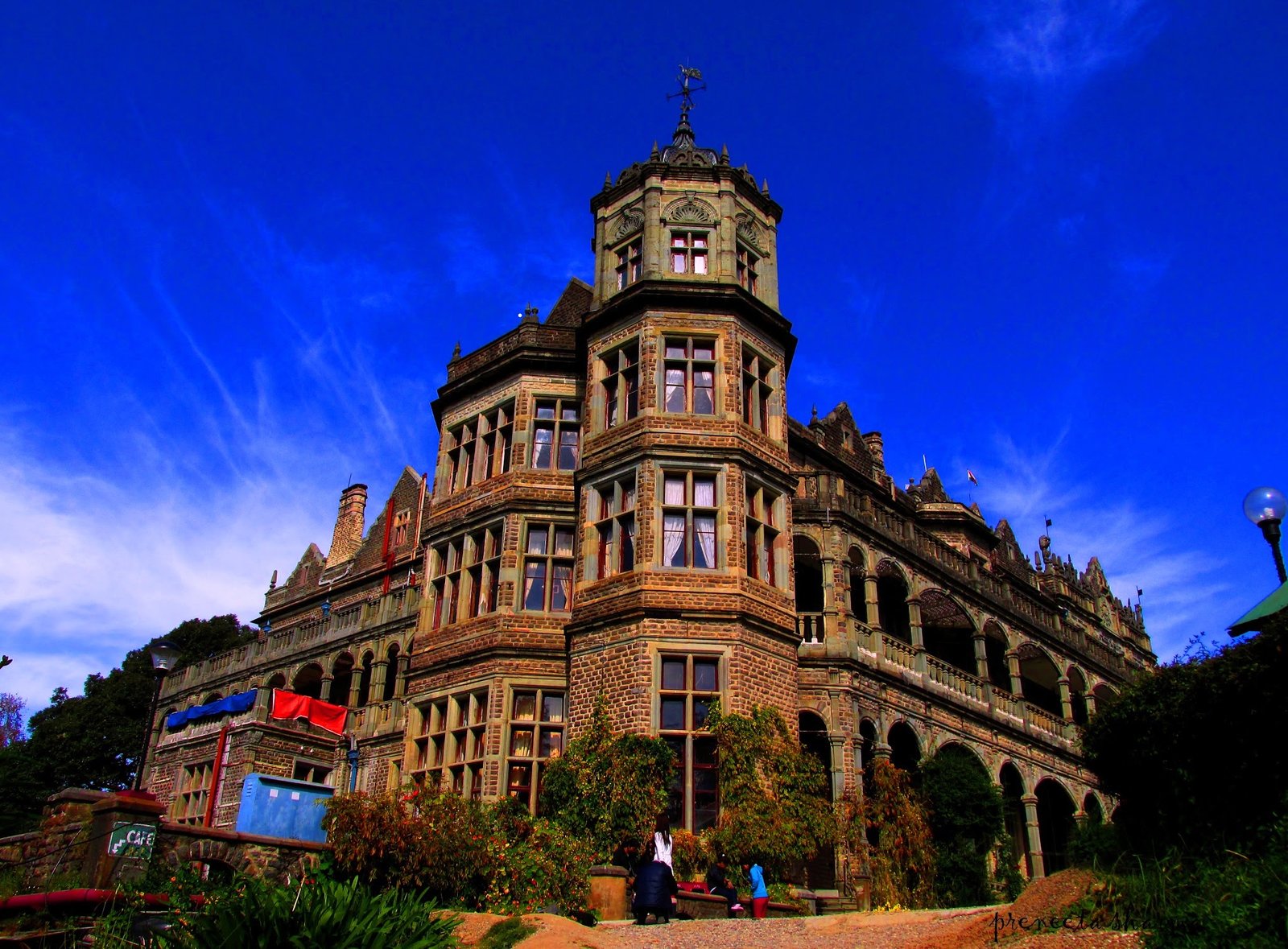
Approaching the Vice Regal Lodge through the winding roads and dense forests of Shimla, the building gradually emerges through the deodar trees. Its grey stone walls, steep slate roofs, imposing towers and tall chimneys give it the appearance of a grand European castle transported into the Himalayas. The surrounding landscape, however, is unmistakably Himalayan. Mist drifts through the trees, mountain winds move across the lawns and the changing light gives the old stone façade a different character with every passing hour.
The story of this extraordinary building began in the nineteenth century, when Shimla was emerging as the summer capital of British India. The hill station offered the British administration a cooler retreat from the heat of the plains and eventually became a seasonal centre of political power. A residence worthy of the Viceroy was therefore planned on Observatory Hill. Construction began in 1884 and was completed in 1888 under the supervision of British architect Henry Irwin.
The result was a building designed to impress. Its Victorian architectural character, with strong Jacobethan influences, combined massive stonework with elaborate roofs, chimneys, towers and richly crafted interiors. Woodwork, fireplaces, staircases and spacious halls added to its grandeur. Yet the building’s greatest strength was not simply its appearance. Its location gave it an imposing presence over Shimla, reflecting the authority of the institution it represented.
For decades, the Vice Regal Lodge stood at the centre of the British administration’s summer life. When the Viceroy and senior officials moved to Shimla, the hill station became a temporary political capital. Decisions concerning administration, defence, diplomacy and governance were discussed against the backdrop of the Himalayas. Behind the elegant walls of the lodge, matters affecting millions of Indians were debated and decided.
But history has a way of changing the meaning of places.
As the Indian freedom movement gathered strength, the Vice Regal Lodge became a setting for political conversations that reflected the growing urgency of India’s future. The most notable episode came in 1945, when Viceroy Lord Wavell convened the Simla Conference. Leaders representing major Indian political organisations, including the Indian National Congress and the All-India Muslim League, gathered in Shimla in an attempt to resolve political differences and find a way forward for India.
The negotiations ultimately failed to produce an agreement, but the conference remains an important episode in the final years of British rule. The Vice Regal Lodge thus became a silent witness to the difficult political negotiations that preceded independence.
Then came 1947.
India changed, and so did the meaning of the building.
The Union Jack was replaced by the tricolour, and the former symbol of colonial authority gradually acquired a new identity. In 1965, the Government of India established the Indian Institute of Advanced Study in the historic building. The transformation was profound. The rooms that had once echoed with discussions about imperial administration were now opened to scholars, researchers, writers, historians, philosophers and thinkers.
The building became a place where questions replaced commands, research replaced administration and ideas replaced imperial policy.
Today, the Indian Institute of Advanced Study carries forward this intellectual legacy. Scholars from different parts of India and abroad come here to explore subjects ranging from history and philosophy to literature, sociology, political thought, culture and public policy. The peaceful surroundings of Observatory Hill provide an environment where reading, reflection and research can flourish.
And perhaps that is what makes the Vice Regal Lodge so fascinating.
Its history is not frozen in stone.
It continues to evolve.
Outside, the deodar forests remain largely indifferent to the passage of time. Seasons change, mist rolls across the hills and Shimla continues to attract visitors from across the world. Inside, however, the building carries layers of memory. Its corridors recall colonial administrators, its halls evoke political negotiations, and its present-day rooms resonate with academic discussions.
There is something poetic about this transformation. A building once constructed to project imperial power now serves the pursuit of knowledge. A place where decisions were once taken for a colonial empire has become a space where scholars examine the ideas, cultures and histories that shape society.
For visitors, a walk through the Vice Regal Lodge is therefore more than a heritage tour. It is a journey through different chapters of India’s past. The architecture tells one story; the walls suggest another. The surrounding forests offer tranquillity, while the history embedded within the building reminds visitors of an era when the future of an entire subcontinent was being debated.
The grandeur of the lodge is also inseparable from its Himalayan setting. Few heritage buildings combine architecture and landscape quite so dramatically. The grey stone, dark wooden interiors and steep roofs stand in striking contrast to the green deodar forests and changing mountain skies. In summer, the lawns and gardens add colour to the estate; in misty weather, the building can appear almost mysterious, as though emerging from the pages of a historical novel.
For Shimla, the Vice Regal Lodge is more than another tourist attraction. It is part of the city’s identity. Along with the Mall Road, Christ Church, the Ridge and other historic landmarks, it helps tell the story of how a small Himalayan settlement became one of the most important political and cultural centres of colonial India.
Yet its greatest story may be the one that began after the British left.
The Vice Regal Lodge survived the end of an empire not by becoming a relic, but by acquiring a new purpose. Its transition into the Indian Institute of Advanced Study represents a remarkable shift—from authority to inquiry, from administration to scholarship and from colonial power to an institution serving independent India.
More than a century after its construction, the building still stands above Shimla, surrounded by ancient trees and mountain silence. Its stones have witnessed empire, political negotiations and independence; its rooms now welcome scholarship and intellectual debate.
Perhaps that is the most enduring legacy of the Vice Regal Lodge: history changed around it, but it continued to find a new role in every chapter.
And as the evening mist settles over Observatory Hill and the deodar trees begin to disappear into the fading light, the old lodge seems to tell a quiet story of its own—a story of a building that once represented an empire, witnessed the birth of a nation and today belongs, in spirit and purpose, to the pursuit of knowledge.