


PRENEETA SHARMA
There was a time when the banks of the Sutlej at Tattapani offered a remarkable Himalayan sight—the cold river flowing beside naturally steaming hot springs. Pilgrims arrived to bathe in the warm waters, families gathered along the riverbank and generations grew up with stories of faith, tradition and the healing properties associated with the springs. Today, much of that old landscape lies beneath the Kol Dam reservoir, but the story of Tattapani continues in a new form. Located in the Karsog region of Mandi district, around 50 kilometres from Shimla, Tattapani derives its name from Tatta, meaning hot, and Pani, meaning water. For generations, naturally heated springs emerging along the Sutlej made the place an important pilgrimage destination, with simple bathing pools becoming part of its cultural and religious life.
The old Tattapani was closely linked with Makar Sankranti, when the riverbank would come alive with pilgrims, ritual bathing, worship, havan, charity, Tuladaan and Shanidaan. Local traditions also connect the hot springs with Sage Jamadagni and Lord Parashurama, giving the landscape a strong mythological identity. Alongside these traditions, the springs have a geological explanation, with underground water heated naturally before returning towards the surface.
Tattapani’s history, however, is not confined to faith and folklore. In 1948, the area became associated with the Suket Satyagraha, when Prajamandal activists led by Pandit Padam Dev gathered in the region as part of the movement demanding responsible government in the former Suket State. The movement placed Tattapani within one of the important political chapters of Himachal’s transition after Independence. A few years later, the destination entered the history of independent India when Dr Rajendra Prasad, the country’s first President, visited Tattapani in September 1952 and is reported to have inaugurated a bathing reservoir for pilgrims.
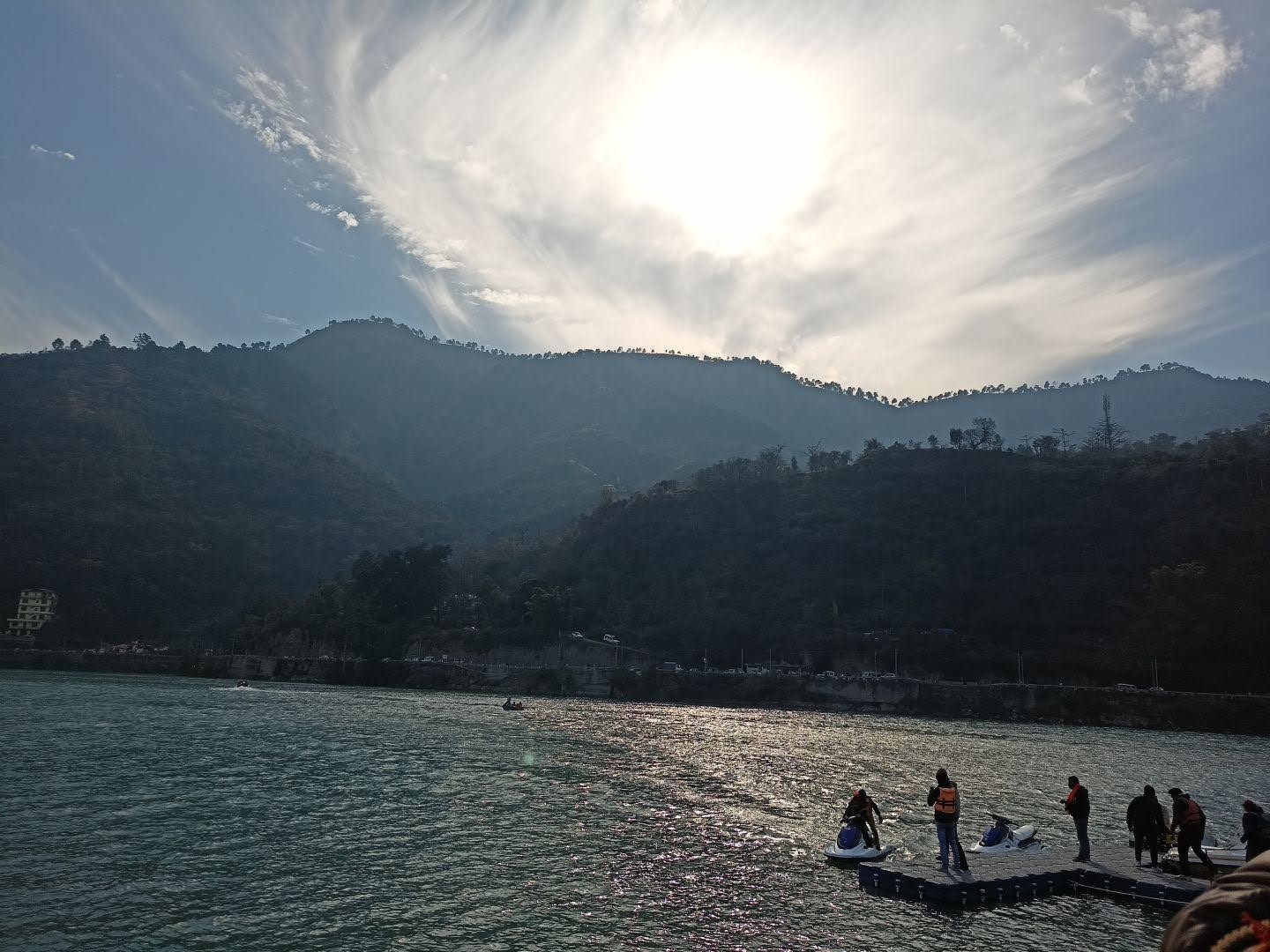
The biggest transformation came around 2015, when the filling of the Kol Dam reservoir dramatically altered the Sutlej landscape. Traditional bathing areas, old riverfront spaces and the natural hot springs associated with the earlier Tattapani disappeared beneath the reservoir. The river that had shaped the destination for generations was replaced across large stretches by still waters, forcing Tattapani to find a new identity.
Yet the story did not end there. Tattapani reinvented itself around the new landscape. Boating and water sports emerged on the reservoir, while hotels, wellness facilities and modern hot-water services created new reasons for visitors to arrive. Local entrepreneurship also became an important part of this transformation, with Prem Lal Raina associated with the development of hospitality, wellness and adventure tourism in the area. The destination gradually evolved from a traditional pilgrimage and hot-spring centre into a combination of faith, wellness, hospitality and water-based tourism.
Tattapani also attracted national attention in 2020 when a 1,995-kilogram serving of khichdi prepared during Makar Sankranti was recognised by Guinness World Records as the largest serving of beans and rice. The achievement added a modern chapter to a festival tradition deeply connected with the identity of the destination.
Tattapani exists between two landscapes including the old Tattapani remembered through steaming springs, traditional bathing pools and the flowing Sutlej, and the new Tattapani shaped by the reservoir, boating, water sports and modern tourism. The old riverbank may have disappeared beneath the water, but its memories remain alive in local traditions and stories. Perhaps that is what makes Tattapani so fascinating: the landscape changed, the river changed and tourism changed, but the story continued. Tattapani is ultimately a story of continuity through change where a Himalayan destination where the past may lie beneath the water, but it has never truly disappeared.