


Building on NEP 2020, the proposed legislation aims to strengthen research, innovation and institutional coordination in higher education.
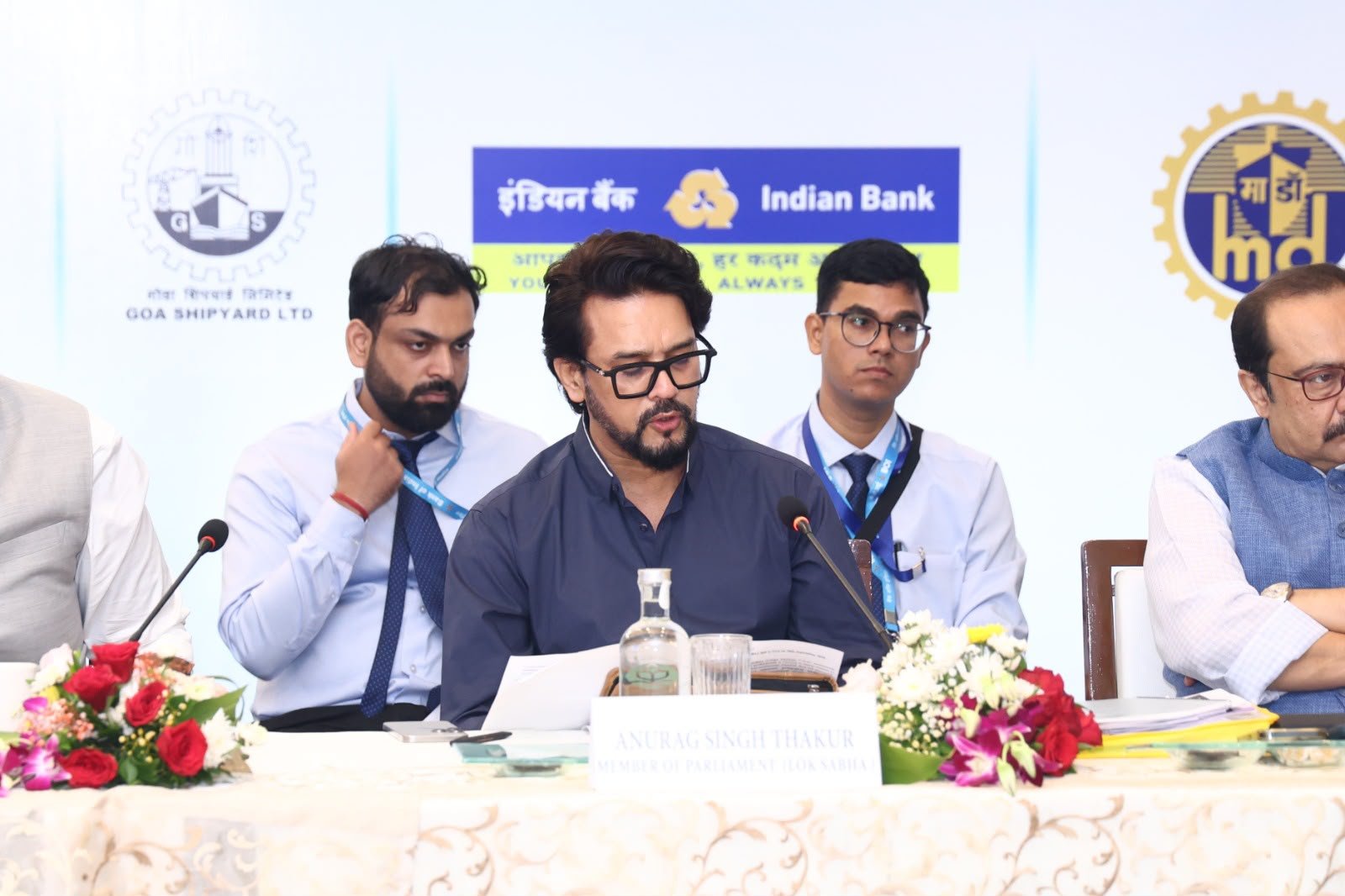
Reflecting on the achievements of the National Education Policy (NEP) 2020, Hamirpur MP and former Union Minister Anurag Singh Thakur highlighted the significant transformation underway in India’s education system, with a greater emphasis on flexibility, inclusivity and global competitiveness. He noted that the policy has encouraged multidisciplinary learning, expanded academic flexibility and promoted the integration of modern technology and vocational education.
Anurag Singh Thakur observed that initiatives such as the Academic Bank of Credits have created greater flexibility in higher education, while skill-based learning and modern pedagogical approaches are helping equip students with the competencies required for the 21st century. At the same time, the policy seeks to preserve India’s rich cultural heritage and knowledge traditions within the education system.
He stated that the proposed Viksit Bharat Shiksha Adhishthan Bill, 2025 (VBSA) represents the next phase in the ongoing transformation of India’s higher education sector. The proposed framework seeks to strengthen coordination between academic institutions and key sectors such as defence, finance, space and technology, with the aim of promoting research, encouraging innovation and aligning academic curricula with emerging industry requirements.
Thakur further noted that extensive consultations with stakeholders across multiple sectors on the provisions of the Bill are important for developing a coordinated and future-ready higher education ecosystem. Such efforts aim to strengthen institutional governance, empower India’s youth and advance the country’s vision of becoming a globally competitive, knowledge-based economy.