



From steaming bowls of thukpa to traditional Spitian delicacies, the cuisine of Himachal Pradesh’s cold desert offers a journey through local traditions, mountain life and the art of making the most of limited resources.
PRENEETA SHARMA
The story of the Himalayas is not limited to snow-covered mountains, ancient monasteries and beautiful villages. In Lahaul-Spiti, it also unfolds through steaming bowls of soup, freshly prepared bread, traditional tea and local delicacies that offer a taste of the region’s rich culture and way of life. Every dish has a story to tell, reflecting the traditions, experiences and warmth of the people who call these mountains home. Here, food is more than a part of everyday life; it is a way of bringing people together and celebrating the spirit of the Himalayan communities.
Life in Lahaul-Spiti is shaped by its cold climate, high mountains and short farming season. Over generations, local communities have learnt to make the best use of the ingredients available to them, including grains, seasonal fruits, dairy products and nuts. Traditional cooking methods and recipes passed down through families have created a distinctive food culture that is both simple and rich in flavour. Many dishes are prepared to provide warmth and nourishment during the harsh winters, while locally grown produce adds freshness and variety to the region’s meals. This connection between the land, the climate and the kitchen makes the cuisine of Lahaul-Spiti truly special.
Yet, the region’s culinary heritage goes far beyond the food served on a plate. It reflects the close relationship between people and nature, the wisdom of their ancestors and the traditions they continue to preserve. Everyday meals offer comfort after long days in the mountains, while special dishes bring families and communities together during festivals, celebrations and social gatherings. For travellers, exploring Lahaul-Spiti through its cuisine is an opportunity to discover a different side of this beautiful Himalayan region — one that goes beyond its breathtaking landscapes to reveal its people, customs and cultural roots. From the first sip of traditional tea to the last bite of a local delicacy, every flavour offers a memorable taste of mountain life, where tradition, resilience and hospitality continue to thrive.
From everyday comfort food to festive delicacies, here are 10 culinary experiences that capture the flavours and spirit of this Himalayan cold desert.
1. Thukpa: When a bowl becomes a winter companion
As temperatures dip across the high mountains, few dishes offer the comfort of a steaming bowl of thukpa. The noodle soup, popular throughout the Himalayan region, combines noodles with a flavourful broth, vegetables, herbs and, in some versions, meat.Its appeal lies in its simplicity. Every spoonful brings warmth, while the broth and fresh ingredients make it a satisfying meal after a day spent exploring mountain trails. In Lahaul-Spiti, where cold weather shapes everyday life, thukpa is more than a familiar Himalayan favourite. It is a reminder that comfort sometimes comes in the simplest forms.
2. Momos: Small parcels, big Himalayan flavours
Few foods have travelled as successfully across the Himalayan region as momos. These delicate dumplings, filled with vegetables, meat or other ingredients, have become a favourite among locals and tourists alike. Steamed to retain their softness or fried for a crisp exterior, momos are usually served with a spicy chutney that adds an extra kick to every bite. Their popularity reflects the shared culinary influences of Himalayan communities. Whether eaten at a roadside stall or a small local eatery, momos offer an accessible introduction to the region’s food culture.
3. Butter tea: A tradition steeped in warmth
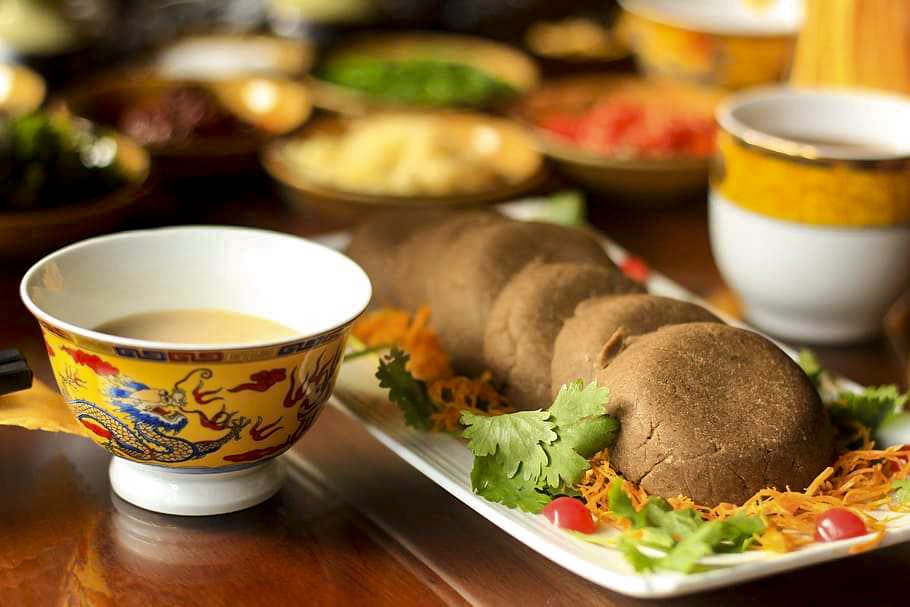
In the high-altitude communities of the Himalayan belt, tea can be as much a ritual as a refreshment. Butter tea, traditionally prepared with tea, butter and salt, is closely associated with Tibetan culture and remains an important part of hospitality in many communities. Unlike the sweet milk tea familiar to many Indian households, butter tea has a rich, savoury taste and a distinctive texture. It may surprise first-time drinkers, but its warmth and energy make it particularly suited to cold mountain conditions. More importantly, the cup represents a tradition of welcoming guests and sharing a moment of conversation in a demanding landscape.
4. Chhang: A brew that brings people together
In the Himalayas, some drinks are closely woven into the fabric of community life. Chhang, a traditional fermented grain-based beverage found in several Himalayan cultures, is one such example. Often associated with festivals, family gatherings and celebrations, the drink reflects an older tradition of preparing beverages from locally available grains.
Its significance extends beyond its taste. In settings where community bonds are central to everyday life, sharing a traditional drink can become an expression of friendship, hospitality and celebration. The ingredients and methods vary between communities, making local brewing traditions an important part of the region’s cultural diversity.
5. Mountain breads: Simple ingredients, lasting traditions
In a landscape where resources have traditionally been limited, bread has long played an important role in everyday meals. Preparations using wheat, barley and other grains provide sustenance and pair well with tea, butter, dairy products and homemade preserves. Across the Himalayan region, traditional breads vary in shape, texture and cooking method, reflecting local ingredients and household practices.
Their appeal lies not in elaborate presentation but in their connection to everyday life. A freshly prepared bread served in a mountain home offers a taste of the practical wisdom that has sustained communities through generations.
6. Dham: Where a meal becomes a celebration
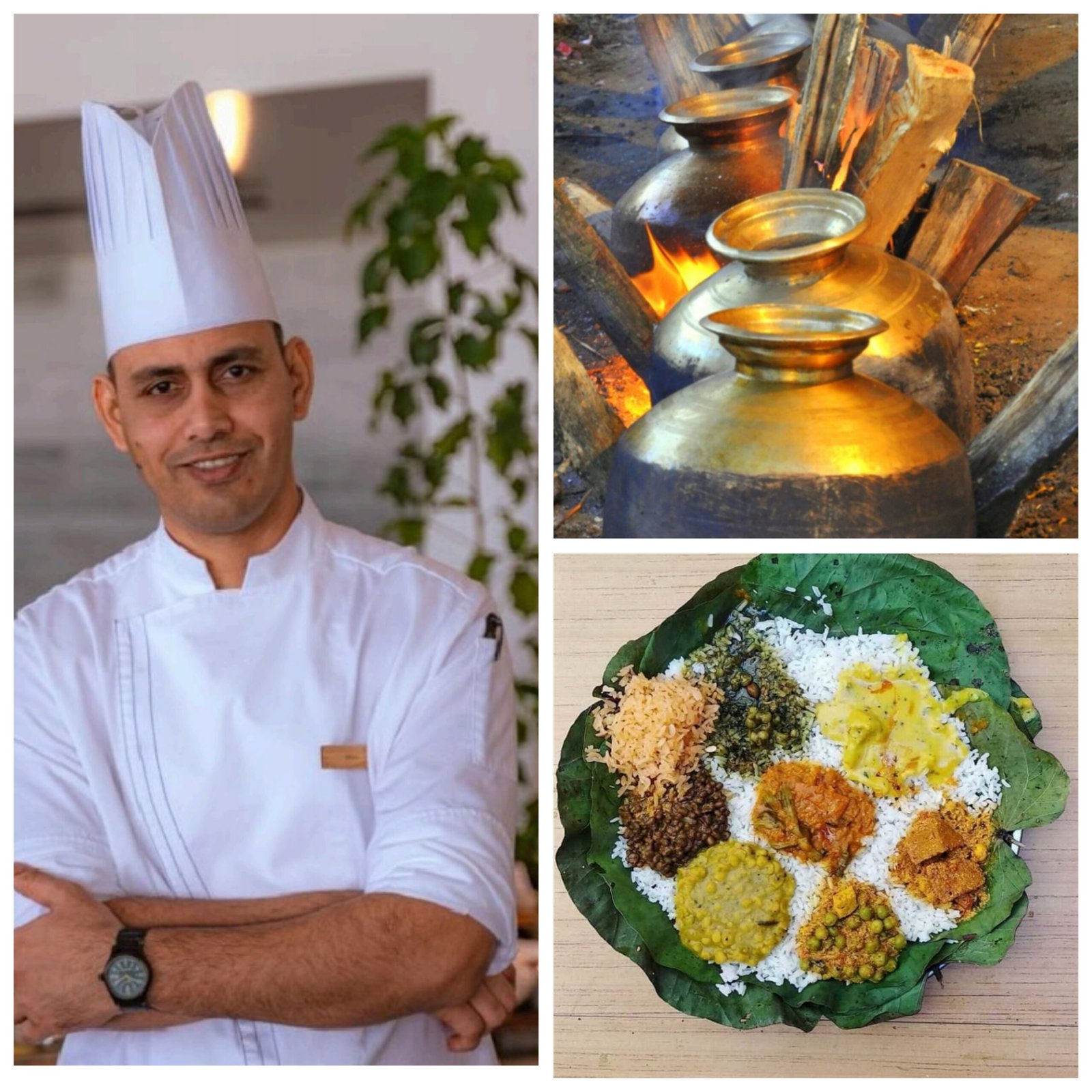
In Himachal Pradesh, food takes on a special significance during weddings, festivals and religious gatherings. Dham, the state’s celebrated traditional feast, is a striking example of how a meal can become a community event. Depending on the regional tradition, the spread may include rice, rajma, chana, madra and other preparations, served as part of an organised sequence.
The real attraction, however, extends beyond the menu. Dham brings people together, preserves traditional cooking practices and turns a shared meal into an expression of belonging. Although dham is widely associated with Himachal Pradesh, its preparations differ across regions and should not be treated as exclusive to Lahaul-Spiti.
7. Apples, apricots and walnuts: The sweetness of a short summer
The cold desert may appear rugged and unforgiving, but its suitable valleys and settlements produce their own seasonal bounty. Apples, apricots and walnuts are among the products associated with the region’s agricultural landscape.Apricots can be enjoyed fresh or dried, while fruits are also used in jams and preserves. Walnuts add a distinctive flavour to local food traditions. These products represent more than a seasonal harvest. In a region where climate determines when and what can be grown, preserving fruit and making effective use of local produce are part of a longstanding relationship between people and the land.
8. Chutagi: A taste of Spiti’s culinary identity
Among the dishes associated more specifically with Spiti, chutagi offers an opportunity to explore local food beyond the better-known staples.The traditional preparation is generally described as a pasta-like dish made with pieces of dough cooked in a gravy or broth, with recipes varying between households. Vegetables and other ingredients may be added according to local preferences and availability.
Hearty and comforting, chutagi reflects the practical character of mountain cooking, where familiar ingredients are transformed into nourishing meals.For visitors looking to move beyond popular tourist foods, it is a dish worth asking about at local eateries and in traditional households.
9. Fermented beverages: The heritage preserved in every batch
Traditional fermentation represents another dimension of Himalayan food culture. Across the region, communities have developed methods of preparing grain-based beverages using locally available ingredients and knowledge passed down through generations.These drinks may feature in festivals, social gatherings and other occasions, although their names, recipes and cultural roles differ between communities.Their preparation reveals how culinary traditions evolve in response to local resources and social customs. For travellers, understanding these practices offers a deeper appreciation of the region’s heritage than simply sampling a drink.
10. Traditional sweets: A gentle ending to a mountain meal
After a hearty meal, simple homemade sweets and fruit-based preparations offer a taste of the Himalayas’ quieter culinary traditions.Depending on the household, sweet dishes may draw on flour, rice, dried fruits, nuts and other ingredients available locally. Apricot preserves and preparations made with seasonal produce provide another way to enjoy the region’s harvest beyond the growing season.These desserts may not always command the attention given to the region’s dramatic landscapes, but they reflect the same ingenuity that defines its wider cuisine: making the most of what the land provides.
The culinary heritage of Lahaul-Spiti is inseparable from the landscape that has shaped it. Its food reflects the realities of a short growing season, cold winters, locally available resources and centuries of cultural exchange across the Himalayas.Thukpa and momos connect the region to a wider Himalayan food tradition, while chutagi offers a more distinctive taste of Spiti. Traditional breads, seasonal fruits and festive meals reveal the everyday ingenuity and community spirit that sustain life in the mountains.
For travellers, the journey through Lahaul-Spiti need not end at a monastery, a mountain pass or a picturesque village. It can continue at a local table, over a steaming bowl of soup or a cup of traditional tea. Because in this remote corner of Himachal Pradesh, the mountains may draw visitors in, but its food offers another reason to remember the journey.