


1,300-year-old Himalayan feast where food, faith and sustainability come together
PRENEETA SHARMA
A long before the world began talking about farm-to-plate dining, organic food and zero-waste kitchens, Himachal Pradesh had already been following these ideas through its traditional Dham. Believed to have a history of more than 1,300 years, Dham is not just a festive meal but a beautiful blend of food, culture, community and nature.
The journey of Dham begins in the fields of the Himalayas. Locally grown rajma, seasonal grains, fresh mountain curd and traditionally prepared spices come together to create a meal that reflects the land and its seasons. Instead of depending on a modern supply chain, the tradition celebrates ingredients that are grown and used locally.
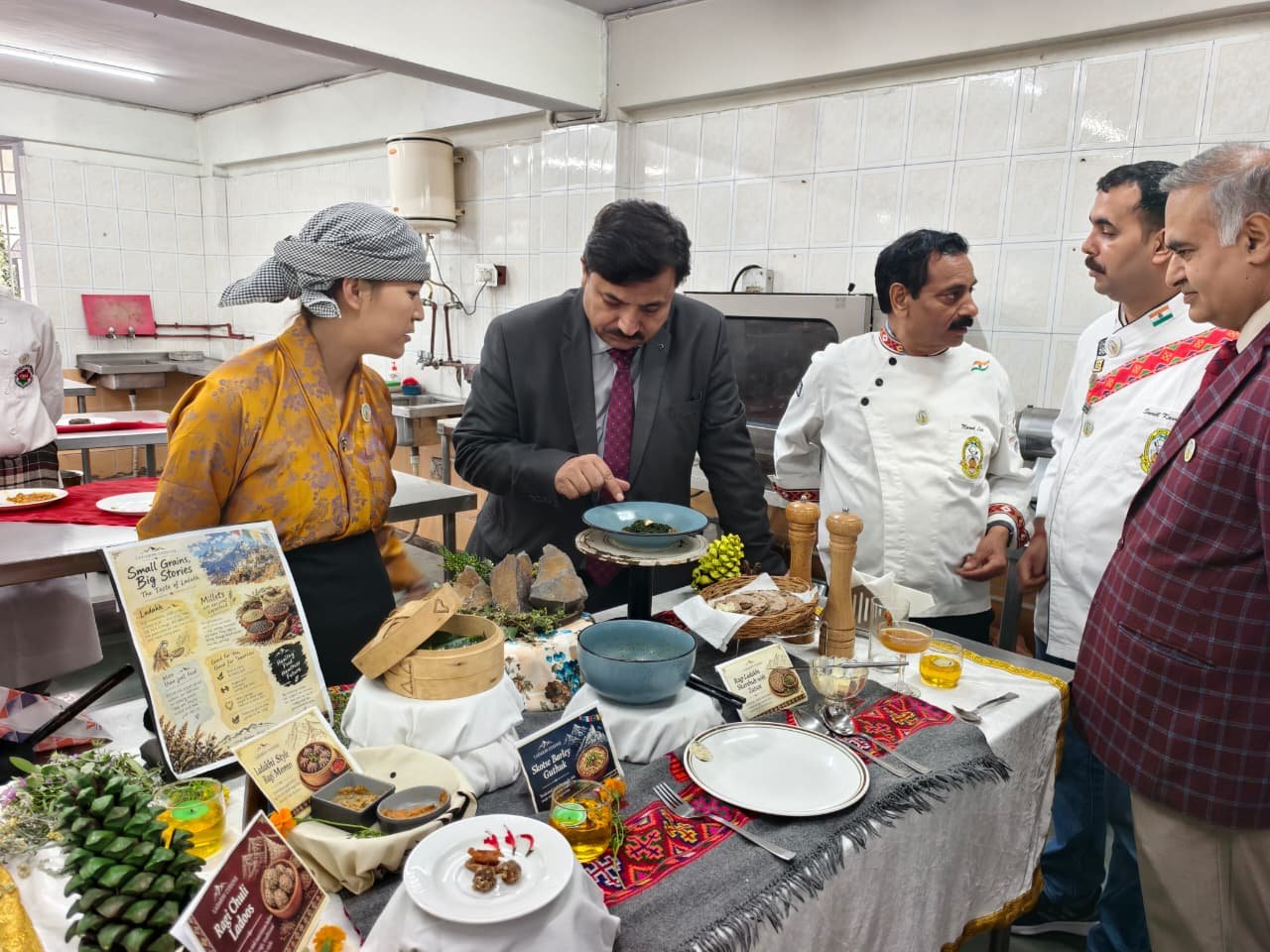
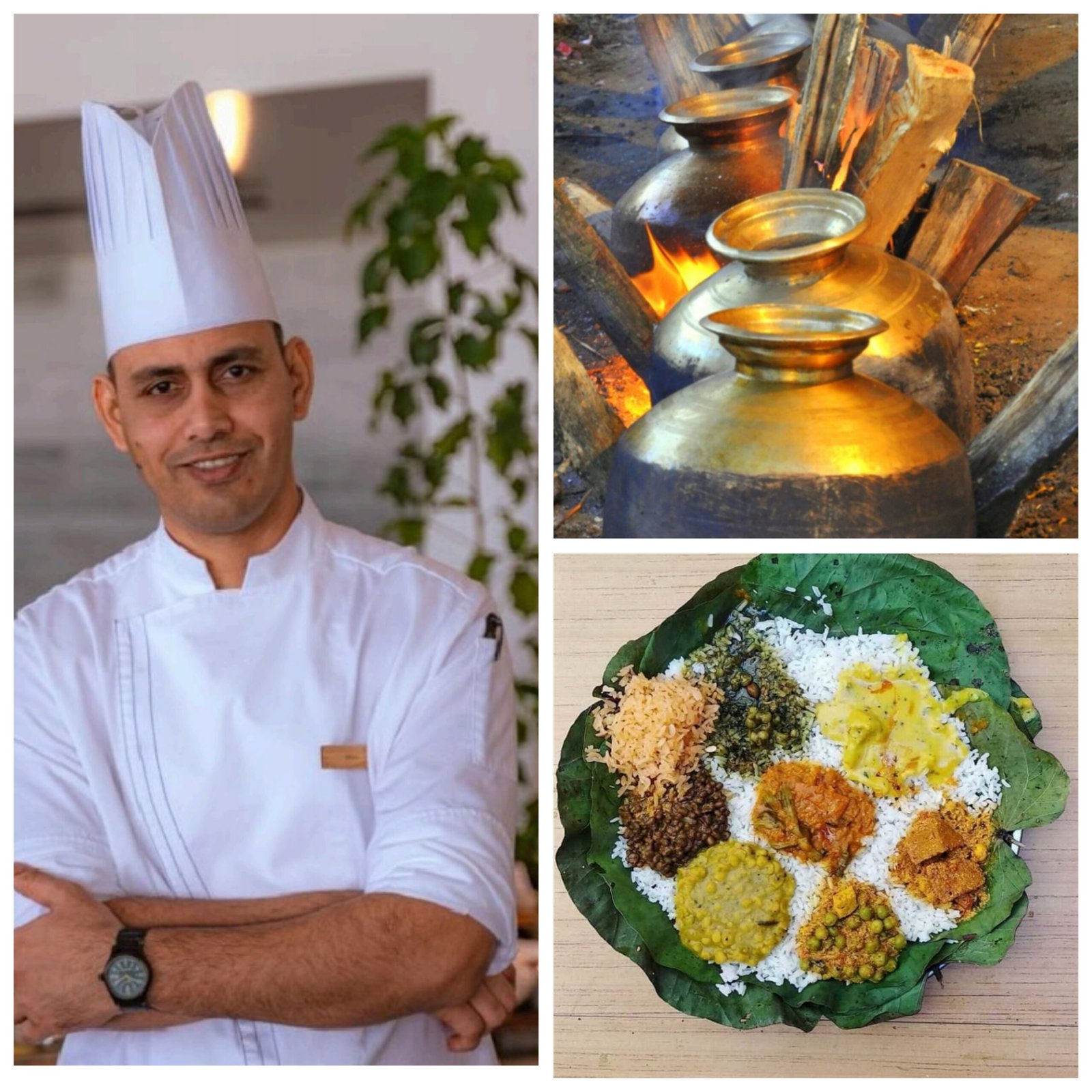
Chef Vinay Kapoor believes that the real beauty of Dham lies in its simplicity. “True luxury is not imported. It grows from your own land,” he says, describing Dham as an example of how traditional food can offer lessons for modern dining.
The cooking itself carries the same connection with nature. Traditional brass and iron vessels, slow cooking over wood-fired chulhas and serving on biodegradable pattal are all part of the experience. There is little room for plastic or unnecessary packaging. The food is traditionally vegetarian and follows a carefully balanced sequence, with dishes such as Madra, Sepu Vadi, Khatta and Meetha Bhaat forming an important part of the feast.
For Kapoor, Dham is not simply about looking back at the past. It is about understanding an idea that the modern food world is now embracing that good food can be local, seasonal, sustainable and deeply connected to the community.
“When we speak of organic, we are simply speaking of how our ancestors cooked,” Kapoor says. At a time when sustainable dining is becoming a global movement, Himachali Dham offers a simple message: sometimes the future of food can be found in traditions that have been alive for centuries.