


Preneeta Sharma
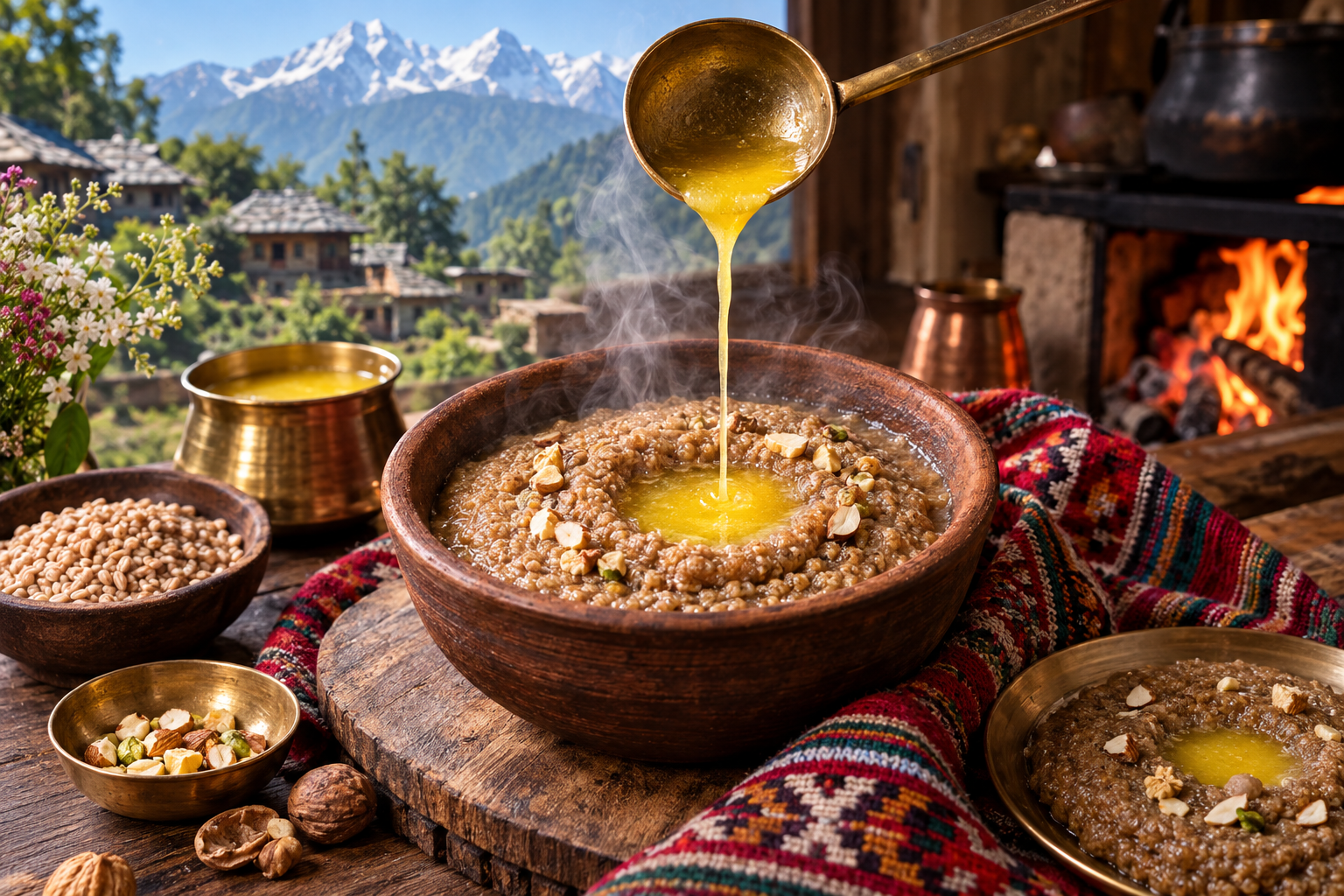
In Himachal Pradesh, food is closely tied to the landscape. The cold mountain climate, locally grown produce and generations of culinary practices have shaped a cuisine that is as diverse as the state’s valleys. Among the lesser-known traditional preparations is Sancholu, a crisp, rustic delicacy that finds its place in the food traditions of Himachali households.
Unlike elaborate dishes that are often associated with festive meals, Sancholu represents another side of mountain cooking — simple ingredients, familiar techniques and flavours rooted in the home kitchen.
A recipe shaped by tradition
Traditional Himachali food has evolved around what was locally available. Grains, pulses, seasonal vegetables, dairy products, herbs and spices have historically formed the backbone of everyday meals. In such kitchens, recipes were rarely measured out in precise quantities. Much of the knowledge was passed orally and practically — from mothers to daughters, from grandmothers to grandchildren.
Sancholu, too, belongs to this tradition of food preparation where the method and taste can vary from one household to another.Its crisp texture and straightforward preparation make it both a snack and a reminder of an older culinary culture.
More than just a snack
For communities in the hills, traditional food has often been closely connected with family and occasion.
A dish prepared at home can carry memories of festivals, gatherings and winter afternoons when family members sat together around the kitchen. Such memories are an important part of why traditional foods continue to survive even as eating habits change.Sancholu is one of those preparations that can evoke the character of the traditional Pahadi kitchen — modest, practical and closely connected to everyday life.
The larger story of Himachali cuisine
Himachal Pradesh’s culinary identity extends far beyond the dishes that have become popular with tourists.
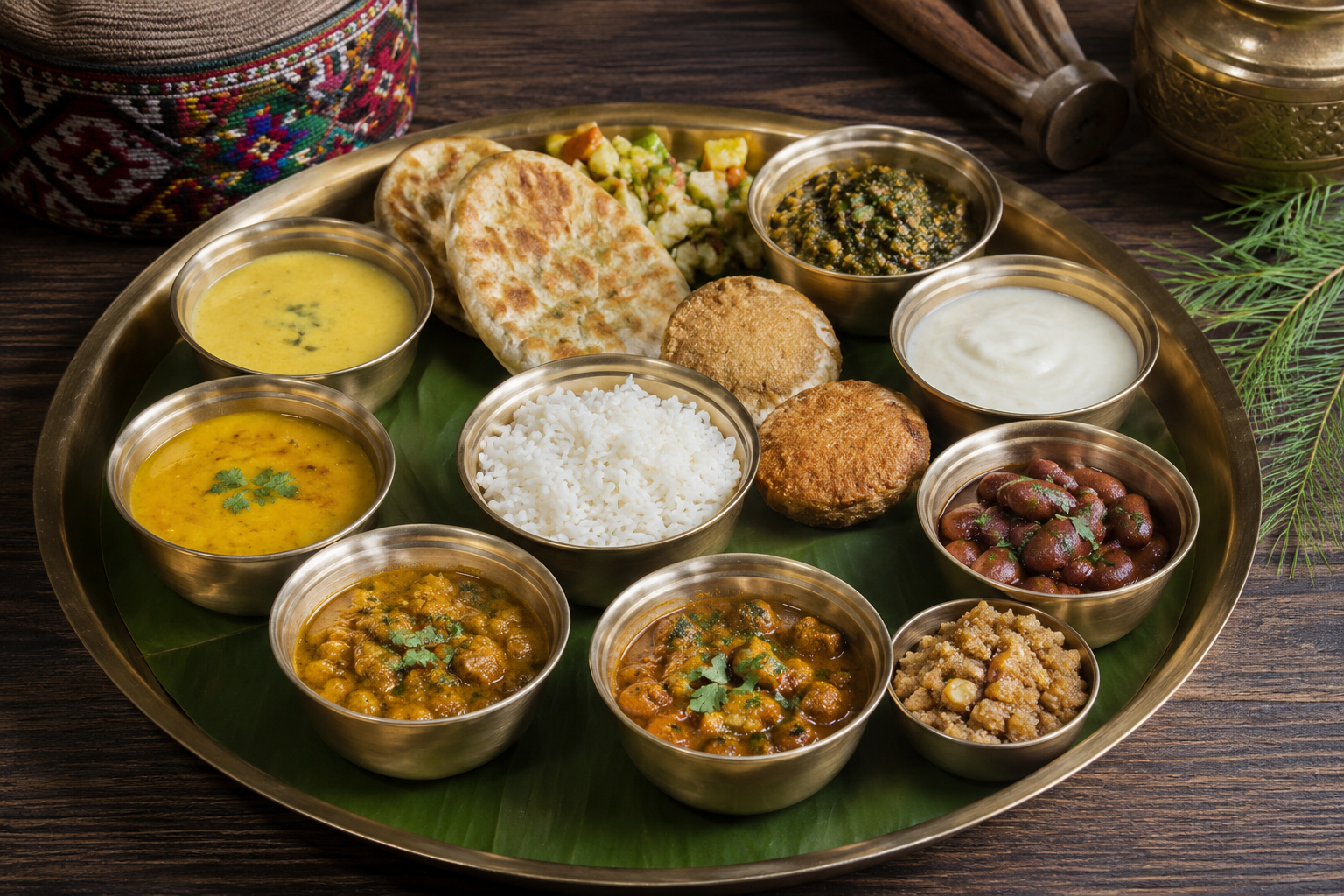
Dham, Madra, Siddu, Chha Gosht, Tudkiya Bhath and a wide variety of local breads, snacks and seasonal preparations reflect the state’s different regions and communities.The food traditions of Kangra, Mandi, Kullu, Chamba, Shimla and other parts of the state can differ considerably, influenced by local agriculture, geography and community practices.
Many of these dishes, however, remain largely known within particular communities or families. That makes documenting them important at a time when traditional cooking practices are undergoing rapid change.
Keeping the flavours alive
Urbanisation, changing lifestyles and the growing availability of packaged food have altered the way many families cook and eat.Younger generations are increasingly familiar with global cuisines, while some traditional recipes are being prepared less frequently.The challenge, therefore, is not simply to preserve a recipe but to preserve the knowledge and stories surrounding it.
Food festivals, local culinary initiatives and documentation of traditional recipes can help bring lesser-known Himachali preparations to a wider audience without separating them from their cultural roots.
A taste of home
The appeal of Sancholu lies in its simplicity. It does not need elaborate presentation to tell its story. Its crisp bite connects the eater to a culinary tradition that has survived through generations — one built around local ingredients, household knowledge and the ingenuity of mountain communities.
For visitors, it can be another way of experiencing Himachal beyond its landscapes and tourist destinations. And for those who grew up with such foods, it can be something more familiar: a taste of home. In the end, the story of Sancholu is also the story of Himachali food itself — simple, regional and deeply rooted in memory.